Real Estate Project Branding: How Premium Developments Build a Distinctive Market Identity
Oct 21, 2026 — Branding
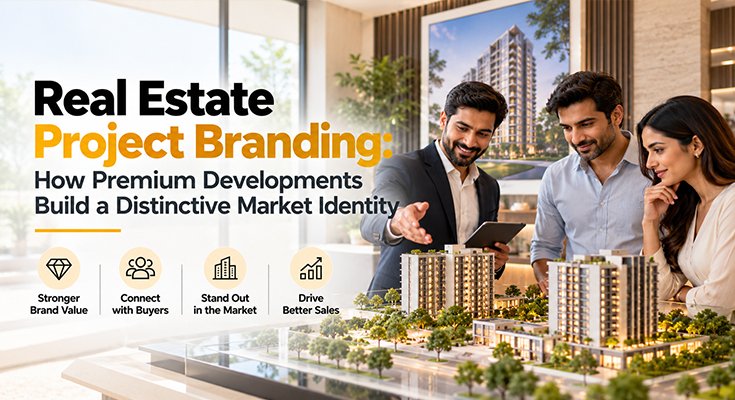
A premium real estate project is competing for more than a buyer’s attention. It is competing for perception.
In a market where multiple projects may offer similar configurations, amenities, locations, and price points, branding can influence how a development is remembered and how its value is perceived.
This is why real estate project branding goes far beyond designing a logo or choosing a color palette. It brings together positioning, visual identity, communication, marketing materials, digital presence, and the experience a project creates across different customer touchpoints.
For developers and builders, strong project branding can help turn a property development into a recognizable market proposition.
What Is Real Estate Project Branding?
Real estate project branding is the process of creating a distinct identity and market position for a property project.
It answers important questions such as:
- What should the project stand for?
- Who is the project designed for?
- What should potential buyers remember about it?
- How should its premium or luxury positioning be communicated?
- How should the project look and feel across different platforms?
A successful project brand gives all these elements a common direction.
The result is not just a good looking brochure or advertisement. It is a recognizable identity that remains consistent from the first advertisement a buyer sees to the experience they have when they visit the project.
Why Is Branding Important for Premium Real Estate Projects?
Premium developments often have several features that need to be communicated together.
Location, architecture, amenities, lifestyle, specifications, community, and overall experience all contribute to the proposition. Without a clear brand strategy, these elements can become disconnected messages.
Strong branding helps bring them together.
It Creates Distinction
A distinctive identity helps a project avoid looking like every other development in the market.
It Communicates Positioning
Visual design and communication can influence whether a project feels contemporary, sophisticated, family oriented, exclusive, or lifestyle focused.
It Builds Recognition
Consistent branding across advertisements, brochures, websites, signage, social media, and other materials makes it easier for people to recognize the project.
It Supports Buyer Confidence
Professional and consistent communication can make a project appear more organized, established, and credible.
What Goes Into Premium Real Estate Branding?
Real estate branding usually involves several connected components.
Brand Positioning
Before designing anything, the project needs a clear position.
The location, product, target audience, lifestyle proposition, architecture, amenities, and competitive landscape can all influence this positioning.
A premium project should communicate a reason for consideration rather than relying only on words such as luxury or premium.
Visual Identity
The visual identity gives the project its recognizable appearance.
This can include:
- Logo and identity system
- Typography
- Colour palette
- Graphic elements
- Photography direction
- Marketing layouts
- Visual communication style
The identity should be flexible enough to work across both digital and physical applications.
Marketing Communication
Real estate projects communicate through numerous formats.
These may include:
- Brochures
- Hoardings
- Advertisements
- Presentation materials
- Site branding
- Signage
- Social media creatives
- Digital campaigns
- Landing pages
- Websites
The challenge is maintaining one recognizable brand while adapting the communication to each format.
Digital Brand Experience
Today, the website and digital presence are often among the first places potential buyers interact with a project.
The digital experience should communicate the same positioning established through the project’s visual identity.
Project information, imagery, amenities, location, floor plans, enquiries, and other details should be presented in a way that makes the brand feel consistent and professional.
Featured Case Study: F.Signature by GK Associates
A practical example of this approach is F.Signature by GK Associates, a premium residential development in West Pune.
The project spans more than 7 acres and includes 2 and 3 BHK residences, over 30 lifestyle amenities, three lifestyle zones, and a five storey high street.
Kaizen 360 Branding Pvt. Ltd. worked on creating a cohesive premium identity for the project across multiple brand and marketing touchpoints.
The work included project branding and communication materials such as the brochure, coffee table book, presentation bags, onsite branding, signage, hoardings, pre launch creatives, photography, cinematic video, landing pages, and website design and development.
A consistent black and rose gold visual direction was used to create a distinctive premium appearance across the project communication.
Explore the Complete F.Signature Project
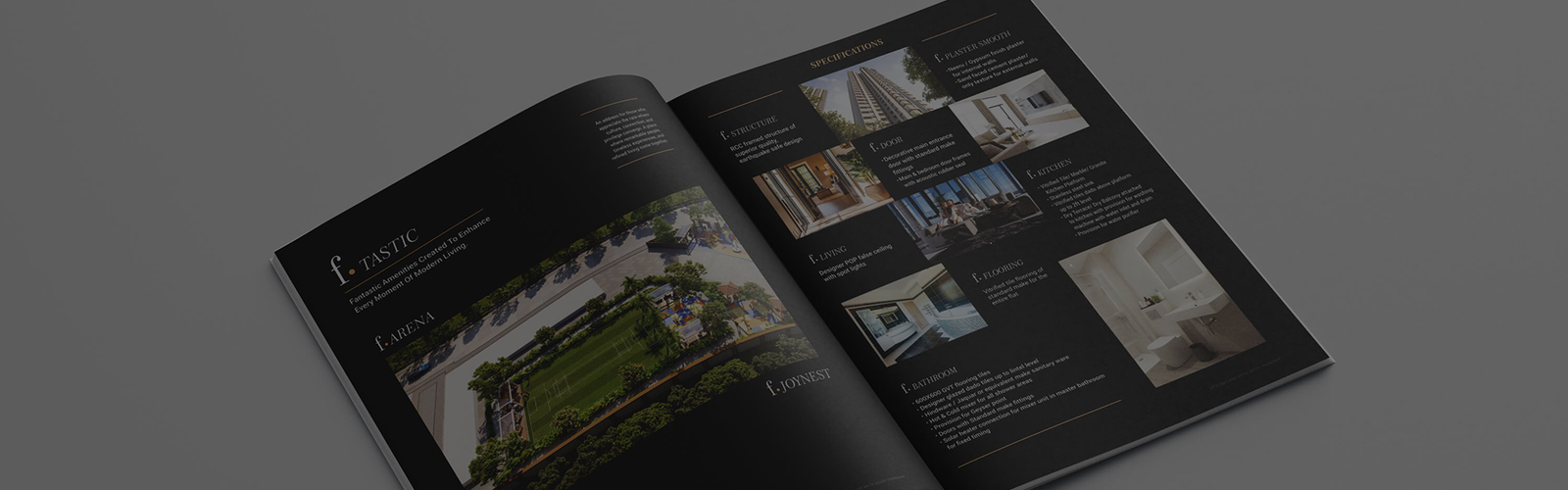
F-Signature
F.Signature by GK Associates is a premium residential development in West Pune, spread across 7+ acres. The project offers thoughtfully designed 2 & 3 BHK residences, 30+ lifestyle amenities, 3 exclusive lifestyle zones, and a sophisticated 5-storey high street, delivering an elevated living experience for modern homebuyers.
This project demonstrates how real estate branding can extend beyond an individual creative and become a connected visual and communication system across multiple customer touchpoints.
Why Consistency Matters in Real Estate Branding
A buyer may encounter a project several times before making an enquiry.
They might first see a social media advertisement, then a hoarding, later visit the website, receive a brochure, and eventually visit the project site.
If every interaction looks different, the project can feel fragmented.
A consistent identity creates continuity between these experiences.
This does not mean every creative needs to look identical. Instead, the core visual language, positioning, tone, and communication principles should remain recognizable while allowing individual marketing materials to serve their specific purpose.
How Developers Can Approach Project Branding
A strong real estate branding process can follow a simple sequence:
Understand → Position → Create → Apply → Refine
First, understand the project, market, audience, competitors, and development proposition.
Then establish the positioning and visual direction.
Once the identity is defined, apply it consistently across marketing and customer touchpoints.
Finally, review how the brand performs across different channels and refine the communication when necessary.
This approach helps prevent branding from becoming a collection of disconnected designs.
Why Choose Kaizen 360 Branding Pvt. Ltd. for Real Estate Branding?
At Kaizen 360 Branding Pvt. Ltd., branding is approached as a combination of strategy, creative communication, and consistent execution.
For real estate projects, this can involve project identity, marketing collateral, onsite branding, digital creatives, photography, video, landing pages, website design and development, and other communication requirements.
Our experience with projects such as F.Signature demonstrates how these elements can be brought together to create a consistent brand experience for a premium development.
Frequently Asked Questions
What is real estate project branding?
It is the process of developing a distinct identity, positioning, visual language, and communication system for a property development.
Why do premium real estate projects need branding?
Branding helps premium projects communicate their positioning, differentiate themselves from competing developments, and create a consistent experience across customer touchpoints.
Does real estate branding include website design?
It can. A project website is an important brand touchpoint and should reflect the project’s positioning and visual identity.
What materials are included in real estate branding?
Depending on the project, branding can include identity design, brochures, hoardings, signage, site branding, digital creatives, photography, videos, landing pages, websites, and presentation materials.
Can branding help a real estate project stand out?
Yes. A clear position combined with a distinctive and consistent identity can help a project create stronger recognition in a competitive market.
Conclusion
Premium real estate branding is not simply about making a project look luxurious.
It is about creating a clear identity, communicating the project’s value, and maintaining that identity across every interaction a potential buyer has with the development.
From positioning and visual identity to brochures, websites, digital campaigns, signage, and onsite experiences, every touchpoint contributes to how a project is perceived.
For developers looking to build a distinctive market presence, strategic project branding can become an important part of turning a property development into a recognizable and memorable brand.
At Kaizen 360 Branding Pvt. Ltd., we help businesses create impactful digital strategies through branding, SEO, ASO, PPC, web design and development, graphic design, logo design, social media marketing, content writing and marketing, and corporate videos.
Want to build a purpose driven brand that stands out in any situation? Let us help you create a strategy that delivers real value and long term growth.